July 31, 2026
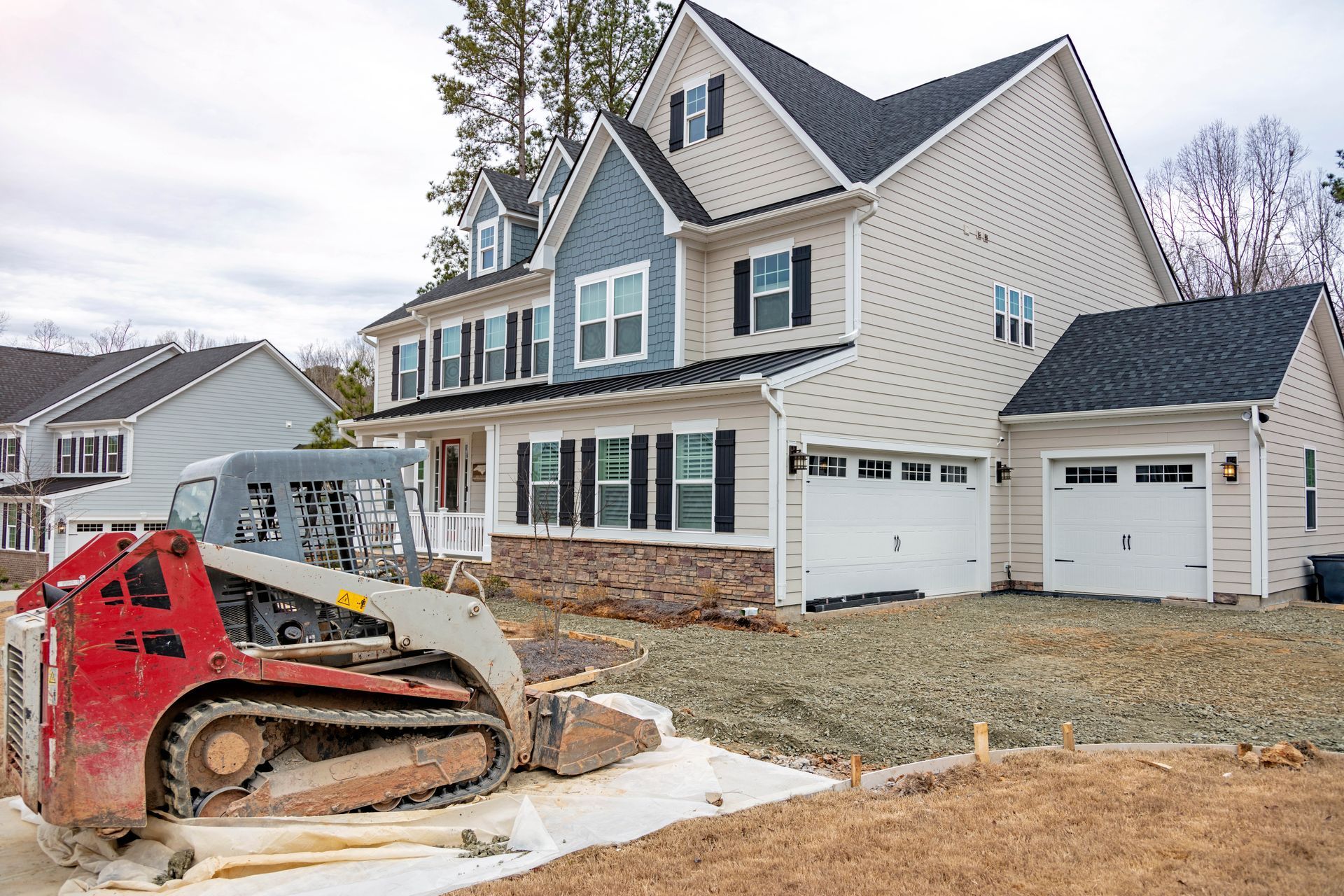
Before any parking lot, driveway, or roadway can be properly paved, the ground beneath it requires careful preparation to ensure the finished surface remains stable, durable, and free from the kind of premature failures that improper preparation often causes. Excavation services form this essential foundation, addressing everything from soil conditions to proper grading long before the actual paving materials ever get applied. Understanding this preparatory process helps property owners appreciate why quality excavation work genuinely matters for the long-term success of any paving project. Given how significant an investment quality paving represents, this preparation work directly impacts how much value property owners ultimately receive from their finished surface. According to Forbes, asphalt paving can last between 15 and 30 years on average, illustrating just how important proper site preparation becomes when you consider how long this investment is genuinely meant to last. Below, we'll explore how excavation services prepare sites for successful, lasting paving projects.
Conducting Thorough Site Assessment and Soil Analysis
Before any digging begins, professional excavation services conduct a comprehensive assessment of the specific site, evaluating soil composition, existing grade, and any potential drainage challenges that could affect the eventual paving project. This soil analysis proves particularly important, since different soil types require different preparation approaches to provide adequate support for the paving material that will eventually be installed above. Understanding these specific ground conditions helps excavation professionals determine the appropriate depth and type of base material needed to create genuinely stable support for the finished pavement. This initial assessment also typically includes identifying any underground utilities that need to be located and properly marked before excavation work can safely proceed. Taking time for this careful upfront analysis sets the foundation for a paving project that will genuinely perform well throughout its expected lifespan.
Removing Vegetation and Surface Debris
Excavation services begin the physical preparation process by clearing the designated area of any existing vegetation, rocks, or debris that could interfere with proper paving installation or compromise the finished surface's long-term stability. This clearing process needs to account for the entire footprint of the planned paved area, ensuring no organic material remains that could eventually decompose and create instability beneath the finished pavement. Any topsoil present within the project area typically needs to be removed as well, since this organic material lacks the structural properties necessary to properly support paving materials above it. Professional excavation services understand how to efficiently clear a site while properly disposing of or relocating this removed material according to project specifications. This thorough clearing process creates the necessary blank canvas upon which the rest of the paving preparation can proceed.
Establishing Proper Grading and Drainage Slope
One of the most critical functions excavation services provide involves establishing appropriate grading that ensures water will properly drain away from the finished paved surface rather than pooling in low spots that could accelerate deterioration. Improper grading represents one of the most common causes of premature paving failure, since standing water can penetrate even properly installed asphalt or concrete, leading to cracking and structural damage over time. Excavation professionals calculate the appropriate slope needed based on the site's specific dimensions, the type of paving material planned, and expected water flow patterns across the property. This grading work often involves careful cutting and filling of soil to achieve the precise elevations needed for both structural stability and effective long-term drainage. Getting this foundational grading correct represents an essential step that significantly influences how well the finished paved surface will perform over its entire expected lifespan.
Compacting the Sub-Base for Structural Support
Once proper grading has been established, excavation services focus on thoroughly compacting the underlying sub-base, creating a dense, stable foundation capable of supporting the weight and stress the finished paved surface will experience over many years of use. This compaction process typically involves specialized equipment designed to eliminate air pockets and achieve consistent density throughout the entire prepared area. Inadequate compaction represents another common cause of paving failure, since loosely packed soil beneath the pavement can gradually settle unevenly, leading to cracking, dips, or other structural problems as the paved surface ages. Professional excavation services understand the appropriate compaction standards required for different paving applications, ensuring this crucial preparatory step meets the specifications necessary for long-term durability. This careful attention to proper compaction represents a foundational element that significantly impacts how well the finished pavement will hold up under regular use.
Installing Appropriate Base Materials
Beyond simply compacting existing soil, most paving projects require the installation of specific base materials, typically layers of gravel or aggregate, that provide additional structural support and improved drainage beneath the finished paved surface. Excavation services understand how to select and properly install these base materials according to the specific requirements of the planned paving type, whether that's asphalt, concrete, or another paving material. This base layer installation requires careful attention to proper thickness and compaction at each stage, since inadequate base preparation can significantly compromise the finished pavement's structural integrity regardless of how well the actual paving material is subsequently installed. This layered base construction plays a crucial role in distributing weight properly across the paved surface, helping prevent the kind of concentrated stress that can lead to premature cracking or deterioration. Proper base material installation represents an essential preparatory step that experienced excavation services understand how to execute correctly.
Managing Utility Considerations and Access Points
Excavation services must carefully navigate any existing underground utilities within the project area, ensuring these systems remain protected throughout the site preparation process while also planning appropriate access points if needed for the finished paved surface. This careful coordination helps prevent dangerous accidents or costly utility damage that could otherwise occur during excavation work, protecting both the project timeline and budget. Professional excavation services also understand how to properly prepare any necessary utility access points, such as manholes or drainage structures, ensuring these elements integrate seamlessly with the finished paved surface once installation is complete. This attention to utility considerations represents an essential safety and functional aspect of proper site preparation that requires genuine expertise to navigate successfully. Managing these considerations properly helps ensure the finished paved area functions correctly alongside any necessary utility infrastructure.
Conducting Final Inspection Before Paving Begins
Before paving contractors begin their portion of the project, thorough excavation services typically include a final inspection to verify that grading, compaction, and base material installation all meet the specifications necessary for successful paving. This quality check helps catch any remaining issues before they become permanently incorporated into the finished paved surface, where correction would prove significantly more difficult and expensive. Professional excavation companies understand the specific standards paving contractors require, helping ensure a smooth transition between the excavation and paving phases of the overall project. This final verification step represents an important quality control measure that protects the substantial investment property owners are making in their new paved surface. Taking this careful, thorough approach to site preparation ultimately supports the paving project's success and longevity for many years to come.
At E B Asphalt & Landscaping, we understand how critical proper site preparation is to the long-term success of any paving project, and we're committed to providing thorough, professional excavation services that create a genuinely solid foundation for lasting pavement performance. Our experienced team brings the technical knowledge necessary to properly assess, clear, grade, and prepare a site, ensuring the groundwork is genuinely ready to support whatever paving project lies ahead. We believe that quality excavation work represents the essential first step toward a paved surface that will perform well for decades to come. Whether you're planning a new driveway, parking lot, or another paving project, our knowledgeable team is here to help guide you through this critical preparatory phase. If you're ready to begin your paving project with trusted
excavation services, contact E B Asphalt & Landscaping today to schedule your consultation.